Showing posts with label Michael Gensch. Show all posts

Monday, April 19, 2021

Graphene: Everything under control in a quantum material


The gated graphene sample device in which the graphene film acts as a channel between source and drain electrodes subjected to a constant potential difference of 0.2 mV. Image from Science Advances


https://www.sciencedaily.com/releases/2021/04/210408131501.htm

In a new study, a team of researchers demonstrates that graphene's nonlinearity can be very efficiently controlled by applying comparatively modest electrical voltages to the material.

How can large amounts of data be transferred or processed as quickly as possible? One key to this could be graphene. The ultra-thin material is only one atomic layer thick, and the electrons it contains have very special properties due to quantum effects. It could therefore be very well suited for use in high-performance electronic components. Up to this point, however, there has been a lack of knowledge about how to suitably control certain properties of graphene. A new study by a team of scientists from Bielefeld and Berlin, together with researchers from other research institutes in Germany and Spain, is changing this. The team's findings have been published in the journal Science Advances.

Consisting of carbon atoms, graphene is a material just one atom thick where the atoms are arranged in a hexagonal lattice. This arrangement of atoms is what results in graphene's unique property: the electrons in this material move as if they did not have mass. This "massless" behavior of electrons leads to very high electrical conductivity in graphene and, importantly, this property is maintained at room temperature and under ambient conditions. Graphene is therefore potentially very interesting for modern electronics applications.

It was recently discovered that the high electronic conductivity and "massless" behavior of its electrons allows graphene to alter the frequency components of electric currents that pass through it. This property is highly dependent on how strong this current is. In modern electronics, such a nonlinearity comprises one of the most basic functionalities for switching and processing of electrical signals. What makes graphene unique is that its nonlinearity is by far the strongest of all electronic materials. Moreover, it works very well for exceptionally high electronic frequencies, extending into the technologically important terahertz (THz) range where most conventional electronic materials fail.

In their new study, the team of researchers from Germany and Spain demonstrated that graphene's nonlinearity can be very efficiently controlled by applying comparatively modest electrical voltages to the material. For this, the researchers manufactured a device resembling a transistor, where a control voltage could be applied to graphene via a set of electrical contacts. Then, ultrahigh-frequency THz signals were transmitted using the device: the transmission and subsequent transformation of these signals were then analyzed in relation to the voltage applied. The researchers found that graphene becomes almost perfectly transparent at a certain voltage -- its normally strong nonlinear response nearly vanishes. By slightly increasing or lowering the voltage from this critical value, graphene can be turned into a strongly nonlinear material, significantly altering the strength and the frequency components of the transmitted and remitted THz electronic signals.

"This is a significant step forward towards implementation of graphene in electrical signal processing and signal modulation applications," says Prof. Dmitry Turchinovich, a physicist at Bielefeld University and one of the heads of this study. "Earlier we had already demonstrated that graphene is by far the most nonlinear functional material we know of. We also understand the physics behind nonlinearity, which is now known as thermodynamic picture of ultrafast electron transport in graphene. But until now we did not know how to control this nonlinearity, which was the missing link with respect to using graphene in everyday technologies."

"By applying the control voltage to graphene, we were able to alter the number of electrons in the material that can move freely when the electrical signal is applied to it," explains Dr. Hassan A. Hafez, a member of Professor Dr. Turchinovich's lab in Bielefeld, and one of the lead authors of the study. "On one hand, the more electrons can move in response to the applied electric field, the stronger the currents, which should enhance the nonlinearity. But on the other hand, the more free electrons are available, the stronger the interaction between them is, and this suppresses the nonlinearity. Here we demonstrated -- both experimentally and theoretically -- that by applying a relatively weak external voltage of only a few volts, the optimal conditions for the strongest THz nonlin-earity in graphene can be created."

"With this work, we have reached an important milestone on the path towards to using graphene as an extremely efficient nonlinear functional quantum material in devices like THz frequency converters, mixers, and modulators," says Professor Dr. Michael Gensch from the Institute of Optical Sensor Systems of the German Aerospace Center (DLR) and the Technical University of Berlin, who is the other head of this study. "This is extremely relevant because graphene is perfectly compatible with existing electronic ultrahigh-frequency semiconductor technology such as CMOS or Bi-CMOS. It is therefore now possible to envision hybrid devices in which the initial electric signal is generated at lower frequency using existing semiconductor technology but can then very efficiently be up-converted to much higher THz frequencies in graphene, all in a fully controllable and predictable manner."

Tuesday, May 19, 2020

Higgs Spectroscopy: A new method to measure superconductors


http://www.labnews.co.uk/article/2030590/higgs-spectroscopy-a-new-method-to-measure-superconductors

 by Sarah Lawton

Saturday, May 9, 2020

A closer look at superconductors


figure1

A new measuring method helps understand the physics of high-temperature superconductivity


From sustainable energy to quantum computers: high-temperature superconductors have the potential to revolutionize today's technologies. Despite intensive research, however, we still lack the necessary basic understanding to develop these complex materials for widespread application. "Higgs spectroscopy" could bring about a watershed as it reveals the dynamics of paired electrons in superconductors.
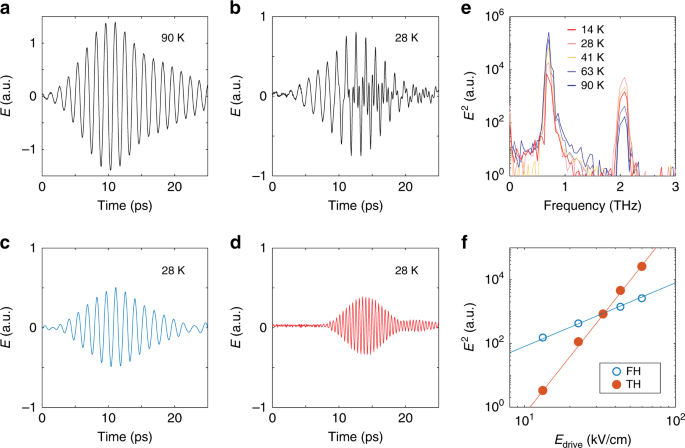
High-temperature superconductors have the potential to revolutionize today's technologies. 'Higgs spectroscopy' could bring about a watershed as it reveals the dynamics of paired electrons in superconductors. Remarkably, the dynamics also reveal typical precursors of superconductivity even above the critical temperature at which the materials investigated attain superconductivity.


An international research consortium centered around the Helmholtz-Zentrum Dresden-Rossendorf (HZDR) and the Max Planck Institute for Solid State Research (MPI-FKF) is now presenting the new measuring method in the journal Nature Communications. Remarkably, the dynamics also reveal typical precursors of superconductivity even above the critical temperature at which the materials investigated attain superconductivity.
Superconductors transport electric current without a loss of energy. Utilizing them could dramatically reduce our energy requirements -- if it weren't for the fact that superconductivity requires temperatures of -140 degrees Celsius and below. Materials only 'turn on' their superconductivity below this point. All known superconductors require elaborate cooling methods, which makes them impractical for everyday purposes. There is promise of progress in high temperature superconductors such as cuprates -- innovative materials based on copper oxide. The problem is that despite many years of research efforts, their exact mode of operation remains unclear. Higgs spectroscopy might change that.
Higgs spectroscopy allows new insights into high-temperature superconductivity
"Higgs spectroscopy offers us a whole new 'magnifying glass' to examine the physical processes," Dr. Jan-Christoph Deinert reports. The researcher at the HZDR Institute of Radiation Physics is working on the new method alongside colleagues from the MPI-FKF, the Universities of Stuttgart and Tokyo, and other international research institutions. What the scientists are most keen to find out is how electrons form pairs in high-temperature superconductors.
In superconductivity, electrons combine to create "Cooper pairs," which enables them to move through the material in pairs without any interaction with their environment. But what makes two electrons pair up when their charge actually makes them repel each other? For conventional superconductors, there is a physical explanation: "The electrons pair up because of crystal lattice vibrations," explains Prof. Stefan Kaiser, one of the main authors of the study, who is researching the dynamics in superconductors at MPI-FKF and the University of Stuttgart. One electron distorts the crystal lattice, which then attracts the second electron. For cuprates, however, it has so far been unclear which mechanism acts in the place of lattice vibrations. "One hypothesis is that the pairing is due to fluctuating spins, i.e. magnetic interaction," Kaiser explains. "But the key question is: Can their influence on superconductivity and in particular on the properties of the Cooper pairs be measured directly?"
At this point "Higgs oscillations" enter the stage: In high-energy physics, they explain why elementary particles have mass. But they also occur in superconductors, where they can be excited by strong laser pulses. They represent the oscillations of the order parameter -- the measure of a material's superconductive state, in other words, the density of the Cooper pairs. So much for the theory. A first experimental proof succeeded a few years ago when researchers at the University of Tokyo used an ultrashort light pulse to excite Higgs oscillations in conventional superconductors -- like setting a pendulum in motion. For high-temperature superconductors, however, such a one-off pulse is not enough, as the system is damped too much by interactions between the superconducting and non-superconducting electrons and the complicated symmetry of the ordering parameter.
Terahertz light source keeps the system oscillating
Thanks to Higgs spectroscopy, the research consortium around MPI-FKF and HZDR has now achieved the experimental breakthrough for high-temperature superconductors. Their trick was to use a multi-cyclic, extremely strong terahertz pulse that is optimally tuned to Higgs oscillation and can maintain it despite the damping factors -- continuously prodding the metaphorical pendulum. With the high-performance terahertz light source TELBE at HZDR, the researchers are able to send 100,000 such pulses through the samples per second. "Our source is unique in the world due to its high intensity in the terahertz range combined with a very high repetition rate," Deinert explains. "We can now selectively drive Higgs oscillations and measure them very precisely."
This success is owed to close cooperation between theoretical and experimental scientists. The idea was hatched at MPI-FKF; the experiment was conducted by the TELBE team, led by Dr. Jan-Christoph Deinert and Dr. Sergey Kovalev at HZDR under then group leader Prof. Michael Gensch, who is now researching at the German Aerospace Center and TU Berlin: "The experiments are of particular importance for the scientific application of large-scale research facilities in general. They demonstrate that a high-power terahertz source such as TELBE can handle a complex investigation using nonlinear terahertz spectroscopy on a complicated series of samples, such as cuprates."
That is why the research team expects to see high demand in the future: "Higgs spectroscopy as a methodological approach opens up entirely new potentials," explains Dr. Hao Chu, primary author of the study and postdoc at the Max Planck-UBC-UTokyo Center for Quantum Materials. "It is the starting point for a series of experiments that will provide new insights into these complex materials. We can now take a very systematic approach."
Just above the critical temperature: Where does superconductivity start?
Conducting several series of measurements, the researchers first proved that their method works for typical cuprates. Below the critical temperature, the research team was not only able to excite Higgs oscillations, but also proved that a new, previously unobserved excitation interacts with the Cooper pairs' Higgs oscillations. Further experiments will have to reveal whether these interactions are magnetic interactions, as is fiercely debated in expert circles. Furthermore, the researchers saw indications that Cooper pairs can also form above the critical temperature, albeit without oscillating together. Other measuring methods have previously suggested the possibility of such early pair formation. Higgs spectroscopy could support this hypothesis and clarify when and how the pairs form and what causes them to oscillate together in the superconductor.

Wednesday, January 9, 2019

Graphene hits the right note at high frequencies


Fig. 1. Graphene converts electronic signals with frequencies in the gigahertz range extremely efficiently into signals with several times higher frequency. (Image credit: Juniks/HZDR.).
Cordelia Sealy
https://www.materialstoday.com/carbon/news/graphene-hits-the-right-note-at-high-frequencies/

Graphene holds the potential to deliver a new generation of ultrafast electronic devices. Current silicon technology can achieve clock rates – a measure of how fast devices can switch – of several hundred gigahertz (GHz). Graphene could achieve clock rates up to a thousand times faster, propelling electronics into the terahertz (THz) range. But, until now, graphene’s ability to convert oscillating electromagnetic signals into higher frequency modes has been just a theoretical prediction.
Now researchers from the Helmholtz Zentrum Dresden Rossendorf (HZDR) and University of Duisburg-Essen (UDE), in collaboration with the director of the Max Planck Institute for Polymer Research (MPI-P) Mischa Bonn and other researchers, have shown that graphene can covert high frequency gigahertz signals into the terahertz range [Hafez et al.Nature (2018), https://doi.org/ 10.1038/s41586-018-0508-1].
“We have been able to provide the first direct proof of frequency multiplication from gigahertz to terahertz in a graphene monolayer and to generate electronic signals in the terahertz range with remarkable efficiency,” explain Michael Gensch of HZDR and Dmitry Turchinovich of UDE.
Using the novel superconducting accelerator TELBE terahertz radiation source at HZDR’s ELBE Center for High-Power Radiation Sources, the researchers bombarded chemical vapor deposition (CVD)-produced graphene with electromagnetic pulses in the frequency range 300–680 GHz. As previous theoretical calculations have predicted, the results show that graphene is able to convert these pulses into signals with three, five, or seven times the initial frequency, reaching the terahertz range (Fig. 1).
“We were not only able to demonstrate a long-predicted effect in graphene experimentally for the first time, but also to understand it quantitatively at the same time,” points out Turchinovich.
By doping the graphene, the researchers created a high proportion of free electrons or a so-called Fermi liquid. When an external oscillating field excites these free electrons, rather like a normal liquid, they heat up and share their energy with surrounding electrons. The hot electrons form a vapor-like state, just like an evaporating liquid. When the hot Fermi vapor phase cools, it returns to its liquid form extremely quickly. The transition back and forth between these vapor and liquid phases in graphene induces a corresponding change in its conductivity. This very rapid oscillation in conductivity drives the frequency multiplication effect.
“In theory, [this] should allow clock rates up to a thousand times faster than today’s silicon-based electronics,” say Gensch and Turchinovich.
The conversion efficiency of graphene is at least 7–18 orders of magnitude more efficient than other electronic materials, the researchers point out. Since the effect has been demonstrated with mass-produced CVD graphene, they believe there are no real obstacles to overcome other than the engineering challenge of integrating graphene into circuits.
“Our discovery is groundbreaking,” says Bonn. “We have demonstrated that carbon-based electronics can operate extremely efficiently at ultrafast rates. Ultrafast hybrid components made of graphene and traditional semiconductors are also now conceivable.”
Nathalie Vermeulen, professor in the Brussels Photonics group (B-PHOT) at Vrije Universiteit Brussel (VUB) in Belgium, agrees that the work is a major breakthrough.
“The nonlinear-optical physics of graphene is an insufficiently understood field, with experimental results often differing from theoretical predictions,” she says. “These new insights, however, shine new light on the nonlinear-optical behavior of graphene in the terahertz regime.”
The researchers’ experimental findings are clearly supported by corresponding theory, Vermeulen adds, which is very convincing.
“It is not often that major advances in fundamental scientific understanding and practical applications go hand in hand, but I believe it is the case here,” she says. “The demonstration of such efficient high-harmonic terahertz generation at room temperature is very powerful and paves the way for concrete application possibilities.”
The advance could extend the functionality of graphene transistors into high-frequency optoelectronic applications and opens up the possibility of similar behavior in other two-dimensional Dirac materials. Marc Dignam of Queen’s University in Canada is also positive about the technological innovations that the demonstration of monolayer graphene’s nonlinear response to terahertz fields could open up.
“The experiments are performed at room temperature in air and, given the relatively short scattering time, it is evident that harmonic generation will occur for relatively moderate field amplitudes, even in samples that are not particularly pristine,” he points out. “This indicates that such harmonic generation could find its way into future devices, once higher-efficiency guiding structures, such as waveguides, are employed.”
He believes that the key to the success of the work is the low-noise, multi-cycle terahertz source (TELBE) used by the researchers. However, Dignam is less convinced by the team’s theoretical explanation of graphene’s nonlinear response. No doubt these exciting results will spur further microscopic theoretical investigations examining carrier dynamics in graphene in more detail.
This article was originally published in Nano Today 23 (2018) 2-3

Tuesday, November 20, 2018

Graphene boosts GHz signals into terahertz territory

According to scientists, graphene can generate clock speeds that transcend today’s GHz limitations. Here’s how.


https://cordis.europa.eu/news/rcn/130280_en.html


Graphene – a one-atom-thick layer of hexagonally arranged carbon atoms – is the thinnest and strongest material known to man and an excellent conductor of heat and electricity. Since 2004, when researchers discovered how to extract it from graphite, graphene has opened new windows of opportunity in the world of science and technology. Over the past decade, scientists have predicted that its unique structure would make it especially efficient in converting optical or electronic signals into signals of much higher frequencies. However, all efforts to prove this were unsuccessful.

Now, for the first time, a team of researchers, two of whom are supported by the EU-funded project EUCALL, have proved that graphene is actually able to convert electronic signals into signals in the terahertz range, with trillions of cycles per second. The team’s findings are presented in a
study published in the journal ‘Nature’.

Non-linear interaction

The silicon-based electronic components used today generate clock speeds in the GHz range, where 1 GHz is equal to 1 000 million cycles per second. The scientists demonstrated that graphene can convert signals with these frequencies into signals with frequencies that are thousands of times higher than those created by silicon.

What makes this feat possible is the highly efficient non-linear interaction between light and matter that occurs in graphene. The researchers used graphene containing a large number of free electrons that originated from the interaction between graphene and the substrate onto which it was deposited. When these electrons became excited by an oscillating electric field in room-temperature conditions, they rapidly shared their energy with bound electrons in the material. The electrons therefore reacted like a heated fluid, changing from liquid to vapour form inside the graphene within trillionths of a second. This transition led to powerful, rapid changes in the material’s conductivity, multiplying the frequency of the original GHz pulses.

“We have now been able to provide the first direct proof of frequency multiplication from gigahertz to terahertz in a graphene monolayer and to generate electronic signals in the terahertz range with remarkable efficiency,” says co-author and Helmholtz Zentrum Dresden-Rossendorf (HZDR) senior scientist Dr Michael Gensch in a
press release posted on the project partner’s website.

High conversion efficiency

The frequencies of the original electromagnetic pulses that were generated at HZDR’s TELBE terahertz facility ranged between 300 and 680 GHz. The scientists converted them into signals with three, five and seven times the initial frequency. “These conversion efficiencies are remarkably high, given that the electromagnetic interaction occurs in a single atomic layer,” the authors state in their study.

The groundbreaking discovery supported by EUCALL (European Cluster of Advanced Laser Light Sources) makes graphene a promising candidate for the nanoelectronics of the future.
For more information, please see:
EUCALL project website


Tuesday, September 11, 2018

Abstract-Extremely efficient terahertz high-harmonic generation in graphene by hot Dirac fermions


Hassan A. Hafez, Sergey Kovalev, Jan-Christoph Deinert, Zoltán Mics, Bertram Green, Nilesh Awari, Min Chen, Semyon Germanskiy, Ulf Lehnert, Jochen Teichert, Zhe Wang, Klaas-Jan Tielrooij, Zhaoyang Liu, Zongping Chen, Akimitsu Narita, Klaus Müllen, Mischa Bonn, Michael Gensch,  Dmitry Turchinovich

https://www.nature.com/articles/s41586-018-0508-1

Multiple optical harmonic generation—the multiplication of photon energy as a result of nonlinear interaction between light and matter—is a key technology in modern electronics and optoelectronics, because it allows the conversion of optical or electronic signals into signals with much higher frequency, and the generation of frequency combs. Owing to the unique electronic band structure of graphene, which features massless Dirac fermions, it has been repeatedly predicted that optical harmonic generation in graphene should be particularly efficient at the technologically important terahertz frequencies. However, these predictions have yet to be confirmed experimentally under technologically relevant operation conditions. Here we report the generation of terahertz harmonics up to the seventh order in single-layer graphene at room temperature and under ambient conditions, driven by terahertz fields of only tens of kilovolts per centimetre, and with field conversion efficiencies in excess of 10−3, 10−4 and 10−5 for the third, fifth and seventh terahertz harmonics, respectively. These conversion efficiencies are remarkably high, given that the electromagnetic interaction occurs in a single atomic layer. The key to such extremely efficient generation of terahertz high harmonics in graphene is the collective thermal response of its background Dirac electrons to the driving terahertz fields. The terahertz harmonics, generated via hot Dirac fermion dynamics, were observed directly in the time domain as electromagnetic field oscillations at these newly synthesized higher frequencies. The effective nonlinear optical coefficients of graphene for the third, fifth and seventh harmonics exceed the respective nonlinear coefficients of typical solids by 7–18 orders of magnitude. Our results provide a direct pathway to highly efficient terahertz frequency synthesis using the present generation of graphene electronics, which operate at much lower fundamental frequencies of only a few hundreds of gigahertz.

Graphene enables clock rates in the terahertz range


Graphene converts electronic signals with frequencies in the gigahertz range extremely efficiently into signals with several times higher frequency. Credit: Juniks/HZDR

 https://phys.org/news/2018-09-graphene-enables-clock-terahertz-range.html#jCp

Graphene—an ultrathin material consisting of a single layer of interlinked carbon atoms—is considered a promising candidate for the nanoelectronics of the future. In theory, it should allow clock rates up to a thousand times faster than today's silicon-based electronics. Scientists from the Helmholtz Zentrum Dresden-Rossendorf (HZDR) and the University of Duisburg-Essen (UDE), in cooperation with the Max Planck Institute for Polymer Research (MPI-P), have now shown for the first time that graphene can actually convert electronic signals with frequencies in the gigahertz range—which correspond to today's clock rates—extremely efficiently into signals with several times higher frequency. The researchers present their results in the scientific journal Nature.

"We have now been able to provide the first direct proof of frequency multiplication from gigahertz to terahertz in a graphene monolayer and to generate electronic signals in the terahertz range with remarkable efficiency," explains Dr. Michael Gensch, whose group conducts research on ultrafast physics and operates the novel TELBE terahertz radiation source at the HZDR. And not only that—their 

cooperation partners led by Prof. Dmitry Turchinovich, experimental physicist at the University of Duisburg-Essen (UDE), have succeeded in describing the measurements quantitatively well using a simple model based on fundamental physical principles of thermodynamics.Today's silicon-based electronic components operate at clock rates of several hundred gigahertz (GHz), that is, they are switching several billion times per second. The electronics industry is currently trying to access the terahertz (THz) range, i.e., up to thousand times faster clock rates. A promising material and potential successor to silicon could be , which has a high electrical conductivity and is compatible with all existing electronic technologies. In particular, theory has long predicted that graphene could be a very efficient "nonlinear" electronic material, i.e., a material that can very efficiently convert an applied oscillating electromagnetic field into fields with a much higher . However, all experimental efforts to prove this effect in graphene over the past ten years have not been successful.
 
With this breakthrough, the researchers are paving the way for ultrafast graphene-based nanoelectronics: "We were not only able to experimentally demonstrate a long-predicted effect in graphene for the first time, but also to understand it quantitatively well at the same time," emphasizes Prof. Dmitry Turchinovich. "In my laboratory we have been investigating the basic physical mechanisms of the electronic nonlinearity of graphene already for several years. However, our light sources were not sufficient to actually detect and quantify the frequency multiplication clean and clear. For this, we needed experimental capabilities which are currently only available at the TELBE facility."
The long-awaited experimental proof of extremely efficient terahertz high harmonics generation in graphene has succeeded with the help of a trick: The researchers used graphene that contains many free electrons, which come from the interaction of graphene with the substrate onto which it is deposited, as well as with the ambient air. If these mobile electrons are excited by an oscillating electric field, they share their energy very quickly with the other electrons in graphene, which then react much like a heated fluid: From an electronic "liquid", figuratively speaking, an electronic "vapor" forms within the graphene. The change from the "liquid" to the "vapor" phase occurs within trillionths of a second and causes particularly rapid and strong changes in the conductivity of graphene. This is the key effect leading to efficient frequency multiplication.
The scientists used electromagnetic pulses from the TELBE facility with frequencies between 300 and 680 gigahertz and converted them in the graphene into electromagnetic pulses with three, five and seven times the initial frequency, i.e. up-converted them into the  range. "The nonlinear coefficients describing the efficiency of the generation of this third, fifth and seventh harmonic frequency were exceptionally high," explains Turchinovich. "Graphene is thus possibly the electronic material with the strongest nonlinearity known to date. The good agreement of the measured values with our thermodynamic model suggests that we will also be able to use it to predict the properties of ultrahigh-speed nanoelectronic devices made of graphene." Prof. Mischa Bonn, Director of the MPI-P, who was also involved in this work, emphasizes: "Our discovery is groundbreaking. We have demonstrated that carbon-based electronics can operate extremely efficiently at ultrafast rates. Ultrafast hybrid components made of graphene and traditional semiconductors are also conceivable."
The experiment was performed using the novel, superconducting-accelerator-based TELBE terahertz radiation source at the ELBE Center for High-Power Radiation Sources at the HZDR. Its hundred times higher pulse rate compared to typical laser-based terahertz sources made the measurement accuracy required for the investigation of graphene possible in the first place. A data processing method developed as part of the EU project EUCALL allows the researchers to actually use the measurement data taken with each of the 100,000 light pulses per second. "For us there is no bad data," says Gensch. "Since we can measure every single pulse, we gain orders of magnitude in measurement accuracy. In terms of measurement technology, we are at the limit of what is currently feasible." The first authors of the article are the two young scientists Hassan A. Hafez (UDE/MPI-P) and Sergey Kovalev (HZDR).
More information: Hassan A. Hafez et al, Extremely efficient terahertz high-harmonic generation in graphene by hot Dirac fermions, Nature (2018). DOI: 10.1038/s41586-018-0508-1


Tuesday, July 26, 2016

Energy-efficient, tunable laser source


http://www.electronics-eetimes.com/news/energy-efficient-tunable-laser-source
By Christoph Hammerschmidt
A joint team of researchers from the Helmholtz research center (HZDR) in Dresden and from the Trinity College in Dublin has created a terahertz source that is both tunable and efficient. The achievement could be utilized to implement wireless local area networks with very high data rates.
The scientist group around Karsten Rode at the Trinity College grew multiple layers of different manganese gallium compounds with a thickness of 45 to 65 nanometers. The researchers irradiated these layers with strong laser pulses, which in turn caused a synchronous, oscillating movement of the magnetic moments within these layers and thus emitting electromagnetic radiation in the terahertz frequency range. What makes Rode’s achievement so interesting is the fact that he was able to control the frequency of the emitted radiation through the composition of the compounds. Plus, the emission exhibited a surprisingly high energetic efficiency. “This terahertz wave generating technology is very unique in that it is possible to adjust the frequency of the radiation as desired,” said Rode. The capability of varying the frequency is said to be an important requirement of next-gen communications devices and networks.
Another group of researchers led by Michael Gensch from the HZDR surveyed these layers by means of lasers and short, intensive terahertz pulses. “We think that this approach is extremely interesting”, Gensch said. According to Gensch, so far only a small number of techniques to generate “monochromatic” terahertz radiation have been known. These methods are rather complex and costly. In contrast, Rode’s thin layers are cost-effective and suit well for mass production. It even could be possible to integrate these layered terahertz sources into semiconductors, explained Helmholtz researcher Alina Deac.
Against the background of the promising results in the research lab, the HZDR researchers plan to go one step further towards production-ready super-fast WiFi transmitter modules with bandwidths up to 100 Gbps. In the subsequent project, they intend to excite the layered stacks electrically instead of by laser pulses. If this project will be successful, it could pave the way for a first prototype of a terahertz wireless data network module.
Further information: www.hzdr.de

Monday, March 7, 2016

A new league of compact Terahertz lightsources


International collaboration of users, accelerator and laser physicists demonstrates novel concept for compact high-field high-repetition-rate accelerator-based Terahertz user facilities

Press release of March 7, 2016
Scientists at the Helmholtz-Zentrum Dresden-Rossendorf (HZDR) succeeded in constructing a prototype facility for research with high Terahertz (THz) fields. The performance of the TELBE facility was successfully tested by conducting a time-resolved pilot experiment. The achieved THz fields exceed those of existing THz sources at similar repetition rates by orders of magnitude, although TELBE has not yet reached its design parameters. The results have been published in the journal “Scientific Reports”.
The resonances of many important fundamental excitations are in the THz frequency range. Intense, specifically shaped THz pulses can be utilized to manipulate material properties on ultra-fast timescales selectively as several groundbreaking experiments in the past years could show. Scientists hope to understand complex processes such as high-temperature superconductivity better when analyzing these short-lived exotic THz driven states of matter. Existing THz sources have so far failed to provide optimal parameters for many of the envisioned investigations, e.g. by providing only moderate repetition rates.
The collaboration involving experts from several accelerator laboratories like Deutsches Elektronen-Synchrotron (DESY),Karslruhe Institute of Technology (KIT)SLAC National Accelerator Laboratory and the European XFEL GmbH, now demonstrated that intense THz pulses can be generated at unprecedented repetition rates utilizing a very compact, quasi-cw linear electron accelerator. The concept combines superconducting radio frequency accelerator technology with the superradiant THz emission principle. Two of the results are of particular importance. Firstly, it could be shown that multiple THz sources can be operated in parallel by one accelerator. Thereby future user facilities, like TELBE itself, can provide multiple user groups with THz pulses of individually adjustable parameters. Secondly, during the pilot experiments a timing accuracy between the THz pulses and external laser systems in the 10 femtosecond regime was demonstrated routinely. These measurements originate from an interdisciplinary collaboration between accelerator physicists, laser physicists, material scientists and life scientists which aimed to make the prototype facility at the center for high power radiation sources in Dresden suitable for experiments in diverse research areas right from the start.

Pilot experiment: Coherent spin waves, excited by THz pulses

The chosen pilot experiment investigated the coherent, selective THz excitation of a spin wave in nickel oxide. The high transient magnetic field of the multicycle THz pulses from the TELBE facility couples in this case directly to the electron spins and induces a coherent spin motion. A synchronized femtosecond laser pulse is utilized to measure the spin deflection as a function of time via the Faraday effect. Due to the orders of magnitude higher repetition rate, experiments like this can be performed with much higher accuracy or speed. „It took us all by surprise that we could take such nice data at such an early stage during the commissioning. Once the target parameters of the TELBE facility have been reached we can work with by a factor of 100 stronger THz pulses, which in the case of the spin deflection would yield values close to what would be necessary for inducing an actual spin flip. This would have an enormous technological importance,” says Michael Gensch, corresponding author of the publication.

More pulses per seconds – opportunity for unique experiments

“The high repetition rate enables to employ a number of techniques in combination with the THz pump pulses of which scientists so far could only be dreaming of. We are discussing with our pilot users which additional probe techniques should be established at the TELBE facility. One of the currently investigated options is to implement time resolved UV photoelectron spectroscopy,” says Dr. Michael Gensch. 

„Friendly user“ operation starting in summer 2016

The facility is beginning to start “friendly user” operation for a limited number of proposals in summer 2016. “Particularly in the initial phase of such a new facility we cannot always guarantee to provide optimal parameters for individual experiments over typical beamtime durations,” says Dr. Sergey Kovalev, the future beamline scientist at TELBE. “For that purpose we will provide special support during the beamtimes and continue to work on the optimization of the facility.” Deadline for proposals for the first run of “friendly user” operation is April 15, 2016.

Publication: Green, B. et al., „High-Field High-Repetition-Rate Sources for the Coherent THz Control of Matter“, Sci. Rep. 6, 2016 (DOI: 10.1038/srep22256)

Further information:
Dr. Michael Gensch
Institute of Radiation Physics at HZDR
Phone +49 351 260-2464 | Email: m.gensch@hzdr.de 

Saturday, September 19, 2015

Abstract-Terahertz field control of in-plane orbital order in La0.5Sr1.5MnO4


Nature Communications
 
6,
 
Article number:
 
8175
 
doi:10.1038/ncomms9175
Received
 
Accepted
 
Published
 

In-plane anisotropic ground states are ubiquitous in correlated solids such as pnictides, cuprates and manganites. They can arise from doping Mott insulators and compete with phases such as superconductivity; however, their origins are debated. Strong coupling between lattice, charge, orbital and spin degrees of freedom results in simultaneous ordering of multiple parameters, masking the mechanism that drives the transition. Here we demonstrate that the orbital domains in a manganite can be oriented by the polarization of a pulsed THz light field. Through the application of a Hubbard model, we show that domain control can be achieved by enhancing the local Coulomb interactions, which drive domain reorientation. Our results highlight the key role played by the Coulomb interaction in the control and manipulation of orbital order in the manganites and demonstrate a new way to use THz to understand and manipulate anisotropic phases in a potentially broad range of correlated materials.

Monday, August 10, 2015

All-purpose optical method for observing physical, chemical or biological processes at the nanoscale


Studying a known thin-layer sample using the novel nanoscope. Laser pulses excite the electrons in the bright stripes, whereby the otherwise transparent sample at these locations becomes reflexive. Credit: TU Dresden

 http://phys.org/news/2015-08-all-purpose-optical-method-physical-chemical.html#jCp

To gain even deeper insights into the smallest of worlds, the thresholds of microscopy must be expanded further. Scientists at the Helmholtz-Zentrum Dresden-Rossendorf (HZDR) and the TU Dresden, in cooperation with the Freie Universität Berlin, have succeeded in combining two established measurement techniques for the first time: near-field optical microscopy and ultra-fast spectroscopy. Computer-assisted technology developed especially for this purpose combines the advantages of both methods and suppresses unwanted noise. This makes highly precise filming of dynamic processes at the nanometer scale possible. The results were recently published in the research journal Scientific Reports.

Many important but complex processes in the natural and life sciences, for example, photosynthesis or high-temperature superconductivity, have yet to be understood. On the one hand, this is due to the fact that such processes take place on a scale of a millionth of a millimeter (nanometer) and therefore cannot be observed by conventional optical microscopic imaging. On the other hand, researchers must be able to precisely observe very rapid changes in individual stages to better understand the highly complex dynamics. The development of high-resolution temporal and spatial technologies has therefore been promoted for decades.

The new camera from Dresden combines the advantages of two worlds: microscopy and ultra-fast spectroscopy. It enables unaltered optical measurements of extremely small, dynamic changes in biological, chemical or physical processes. The instrument is compact in size and can be used for spectroscopic studies in a large area of the electromagnetic spectrum. Time increments from a few quadrillionths of a second (femtoseconds) up to the second range can be selected for individual images. "This makes our nanoscope suitable for viewing ultra-fast physical processes as well as for biological process, which are often very slow," says the HZDR's Dr. Michael Gensch.
Combining two methods guarantees high spatial and temporal Resolution
The nanoscope is based on the further development of near-field microscopy, in which laser light is irradiated on a ultra-thin metal point. This creates highly bundled light - a hundred times smaller than the wavelength of light, which otherwise represents the limit of "normal" optics with lenses and mirrors. "In principle, we can use the entire wavelength spectrum of near-field microscopy, from ultraviolet to the terahertz range," says Dr. Susanne Kehr from the TU Dresden. "The focused light delivers energy to the sample, creating a special interaction between the point and the sample in what is known as the near-field. By observing the back-scattered portion of the laser light, one can achieve a spatial resolution in the order of the near-field magnitude, that is, in the nanometer range." This technology, known as SNOM (Scanning Near-Field Optical Microscopy), is typically only utilized for imaging static conditions.
Using ultra-fast spectroscopy is the crucial tool, on the other hand, enabling scientists to study dynamic processes on short timescales and with extreme sensitivity. The spatial resolution has, until now, been limited to the micrometer range however. The principle in such pump-probe experiments that function, for example, with light, pressure or electric field pulses is as follows: while a first pulse excites the sample under study, a second pulse monitors the change in the sample. If the time between them is varied, snapshots can be taken at different times, and a movie can be assembled. A clever correction of the measurement errors leads to the high sensitivity of the spectroscopic procedure. Activation by an excitation pulse means a type of disturbance for the entire sample system, which needs to be filtered out so that noise or the "background" is eliminated. This is achieved by probing the unperturbed sample with a second reference pulse directly before the excitation. This particular technology could not be combined with near-field optical microscopy until now. For the first time, the teams led by the two Dresden physicists have managed to combine all the advantages of both methods in their nanoscope.
"We have developed software with a special demodulation technology with which—in addition to the outstanding resolution of near-field  that is at least three orders of magnitude better than the resolution of common ultra-fast spectroscopy—we can now also measure dynamic changes in the sample with high sensitivity," explains Kehr. The clever electronic method enables the nanoscope to exclusively record only the changes actually occurring in the sample's properties due to the excitation. Although other research groups have only recently reported good temporal resolution with their nanoscopes, they could not, however, obtain this important correction mode. An additional advantage to the Dresden solution is that it can easily be integrated into existing near-field microscopes.

Universal in every respect
"With our nanoscope's considerable wavelength coverage, dynamic processes can be studied with the best suited wavelengths for the specific process under study. This is an important step in understanding these processes. Our colleagues at the Freie Universität Berlin have, for example, the ambitious dream of tracking structural changes during the photocycle of an individual membrane protein at specific wavelengthes in the infrared spectrum," Gensch says. Together with his TU colleague, Susanne Kehr, he demonstrated the new method on a known sample system, a semi-conducting layer made of silicon and germanium. "Had we used an unknown sample for the demonstration, we would not have been in the position to correctly interpret the functionality of our approach," Kehr stresses.
The Dresden nanoscope is universally adaptable to respective scientific questions. The probe pulse wavelengths can, in principle, reach from the low terahertz range to the ultraviolet range. The sample can be stimulated with laser, pressure, electric field or magnetic field pulses. The principle was tested at the HZDR on a typical laboratory laser as well as on the free-electron laser FELBE. First tests on the new terahertz source TELBE, which provides extremely short electric and magnetic field pulses for excitation, are in preparation. "In the future, we will not only see how quickly a process occurs, but we can also better localize where exactly it takes place in the sample. This is especially important for our TELBE facility, which will be in operation next year," explains Michael Gensch, head of the TELBE project at the HZDR.
More information: Optical nanoscopy of transient states in condensed matter, in: Scientific Reports 5, 12582, DOI: 10.1038/srep12582


.